Advanced Global Search: Ocean Cruises | River Cruises
Galveston Cruise Ports of Call
Western Caribbean (Mexico to Panama)
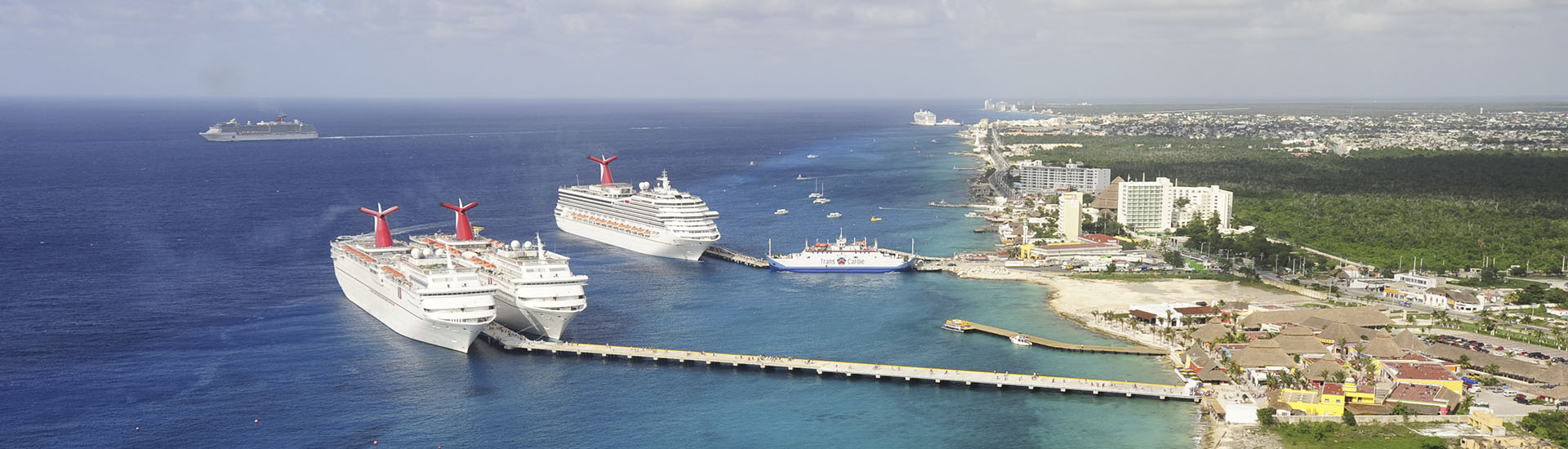
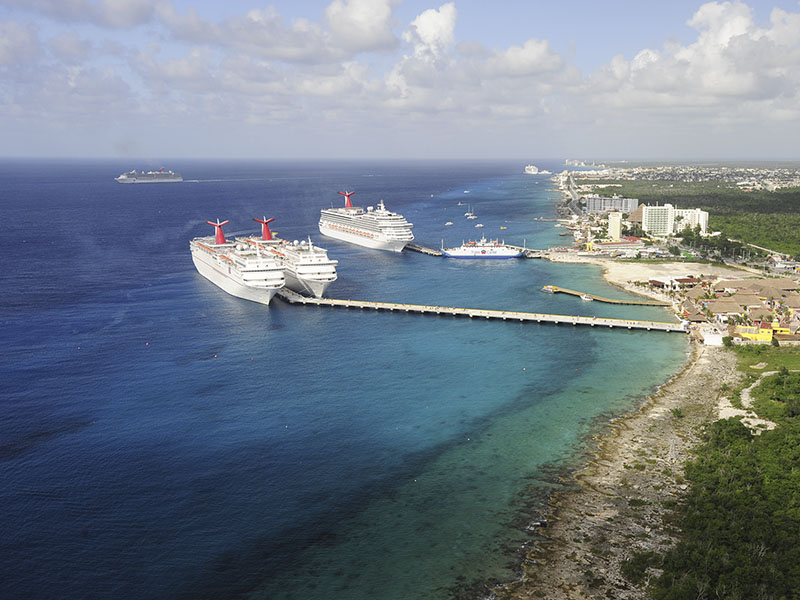
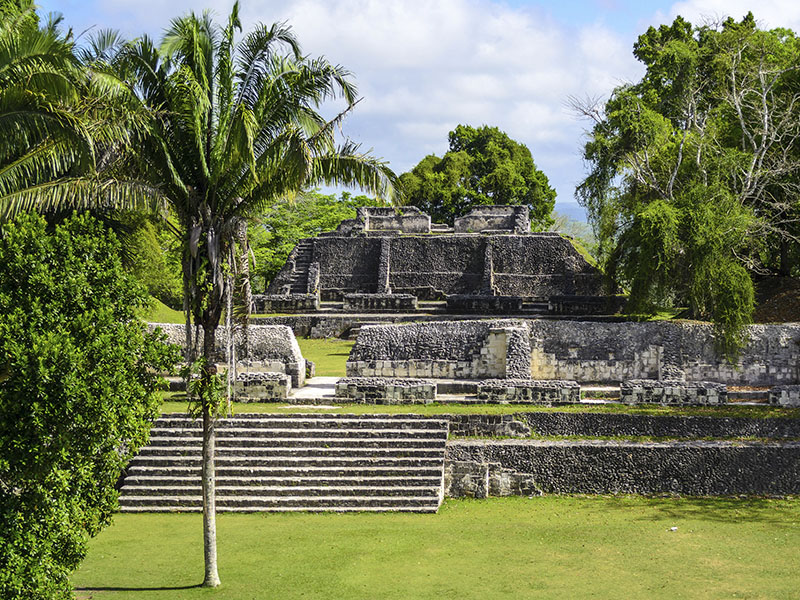
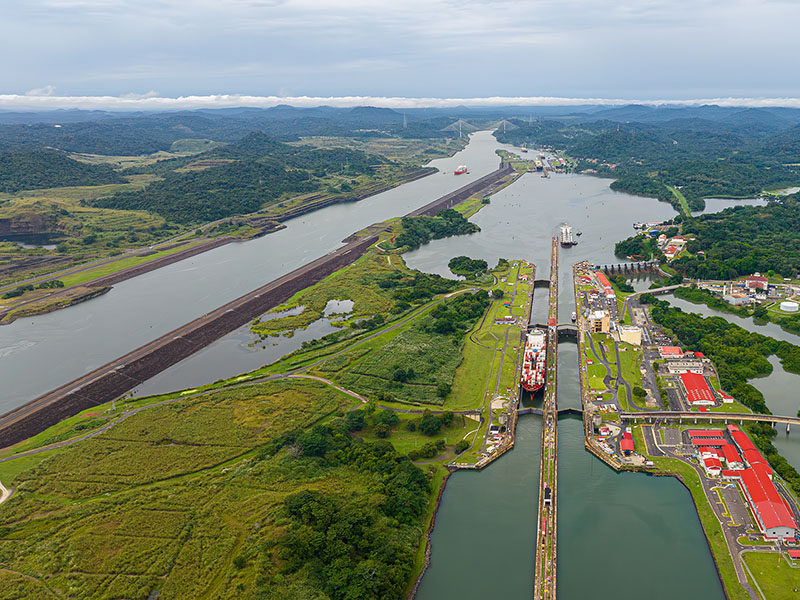
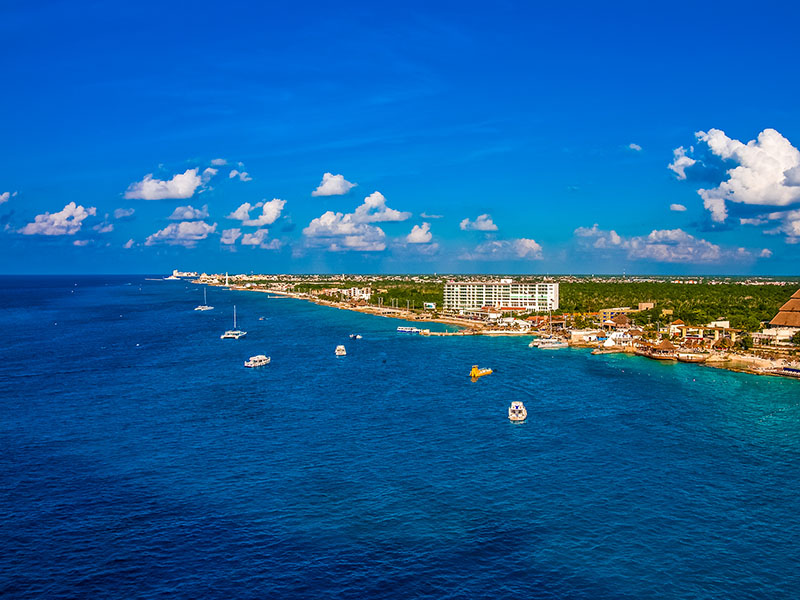
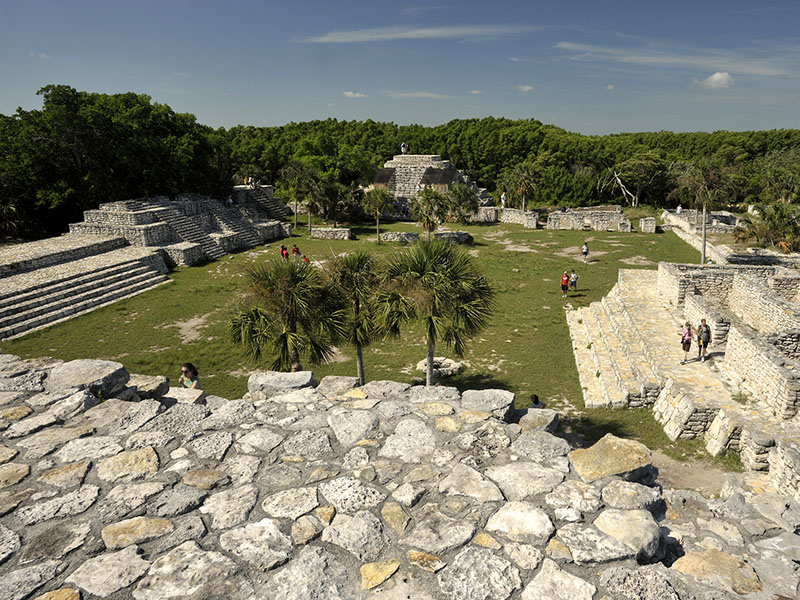
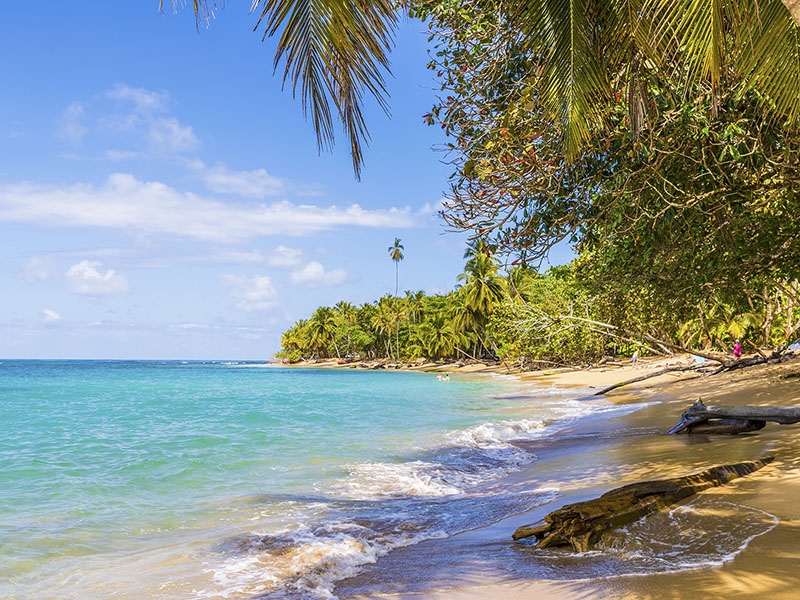
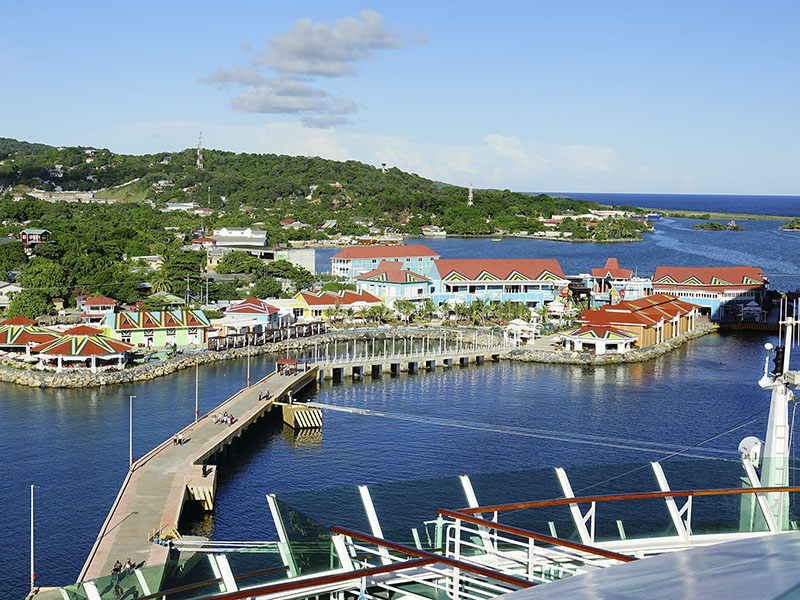
The Caribbean coasts of Mexico, Belize, Honduras, Panama, and Costa Rica—often called the “Western Caribbean”—are famous for hosting the Mesoamerican Barrier Reef, the second-largest coral reef system in the world, which draws divers and snorkelers to sites like Mexico’s Cozumel and Belize’s Great Blue Hole and Barrier Reef. The region blends stunning natural beauty—white sand beaches, mangrove-lined lagoons, and dense rainforest meeting the sea—with a rich cultural tapestry shaped by Maya civilization (evident in ruins like Tulum in Mexico and Copán in Honduras), Spanish colonization, and the Afro-Caribbean Garifuna people, whose distinct language, drumming, and punta music are found along the coasts of Belize, Honduras, and Guatemala. It’s also known for laid-back island and coastal towns like Playa del Carmen, Caye Caulker, Roatán (with its excellent diving and cruise tourism), Bocas del Toro in Panama, and Puerto Viejo in Costa Rica, where Caribbean, Latin, and Indigenous influences merge in the food (coconut rice and beans, seafood, plantains), music, and unhurried “pura vida” or island lifestyle. Beyond beaches, the area is celebrated for eco-tourism and biodiversity—rainforests, howler monkeys, sea turtles, and jaguar reserves—making it a hub for both adventure travel and cultural immersion along Central America’s Caribbean shore.
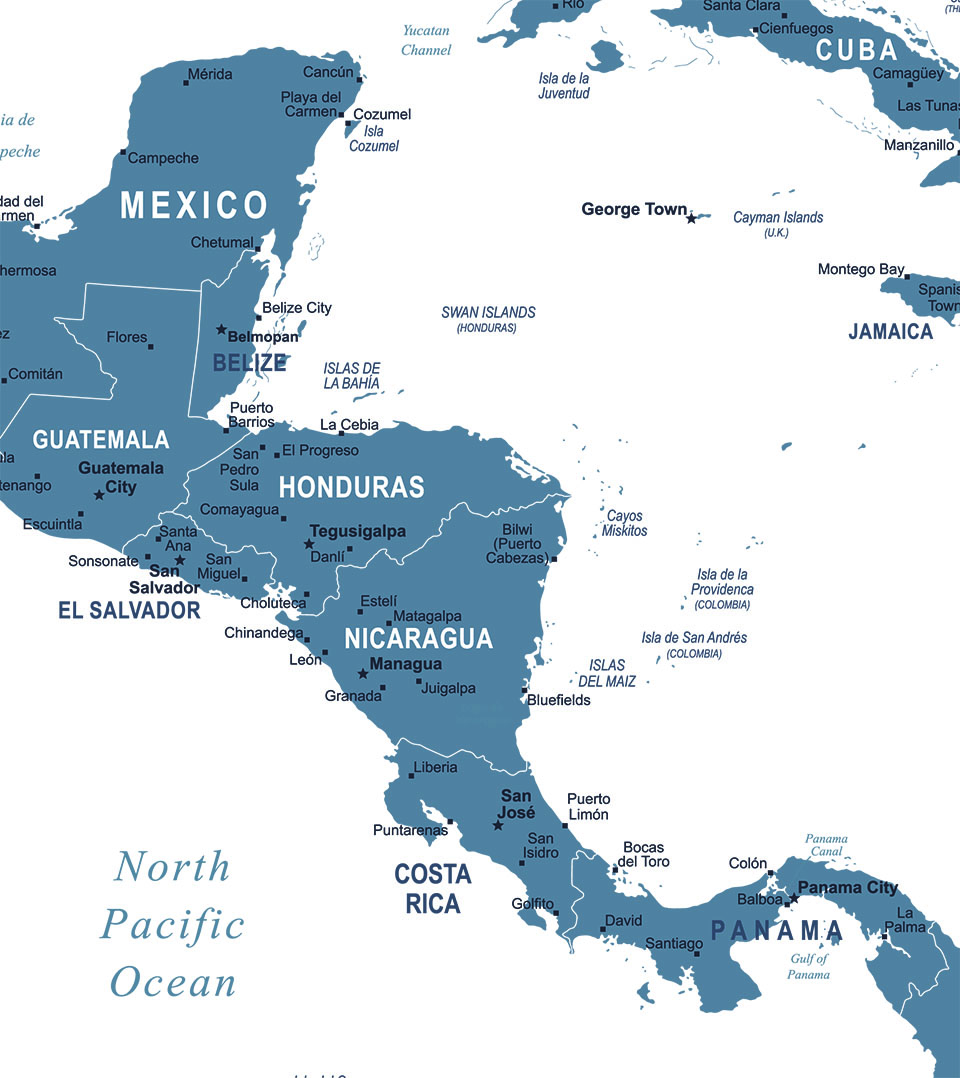
Western Caribbean
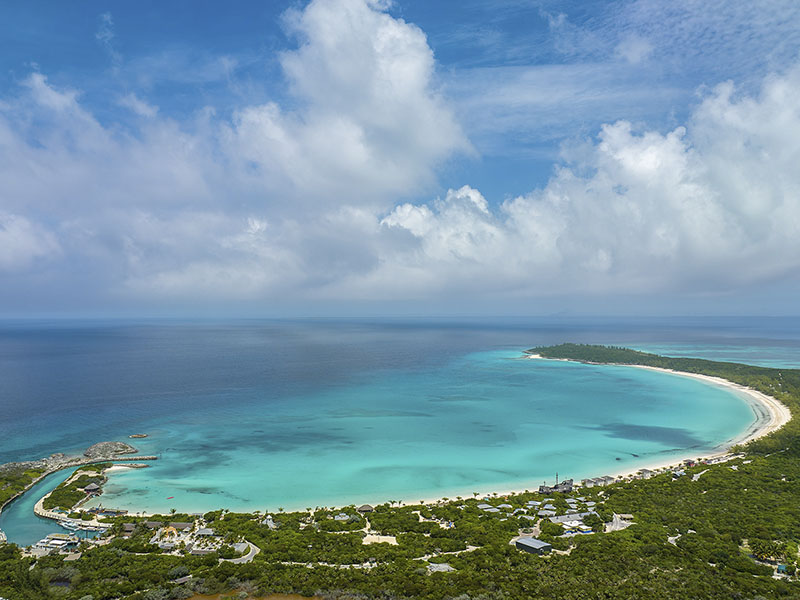
Bahamian Island Chain
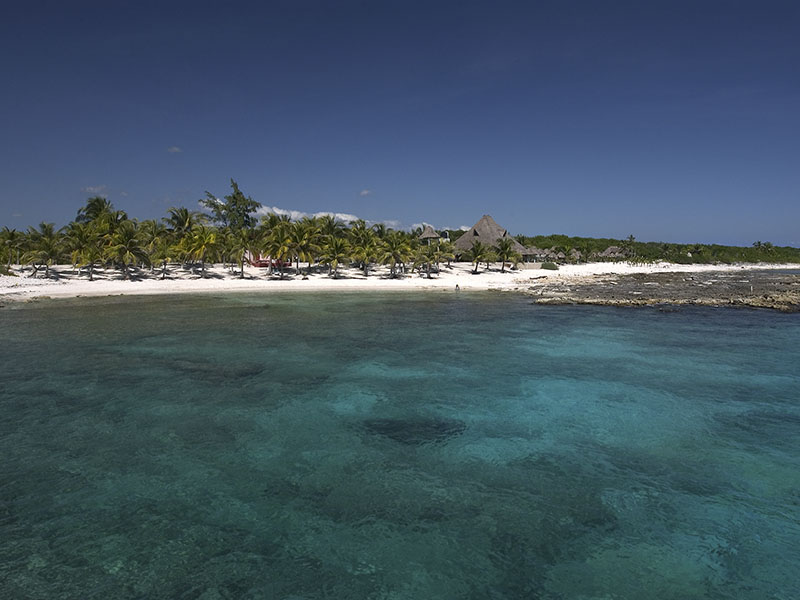
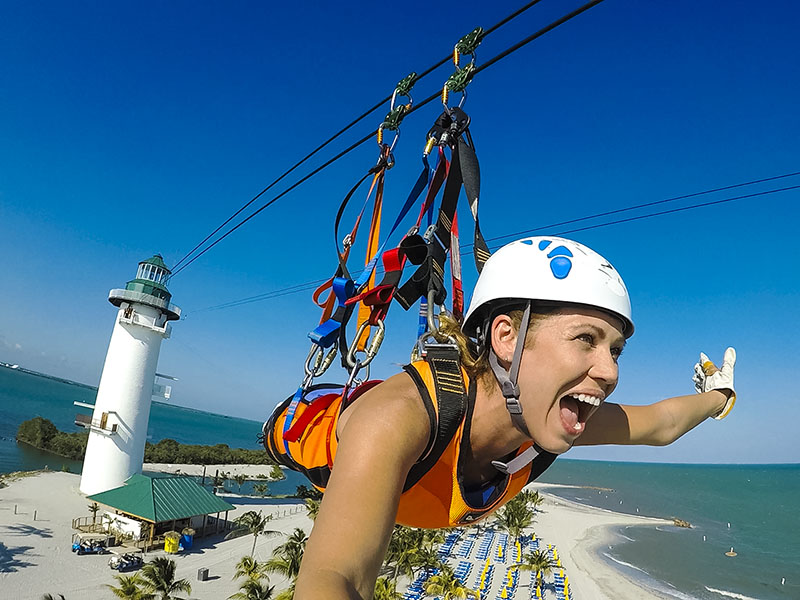
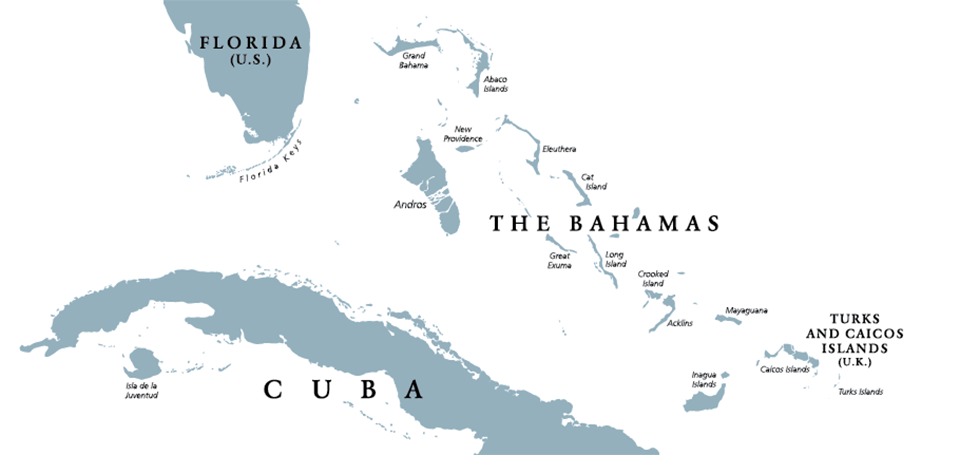
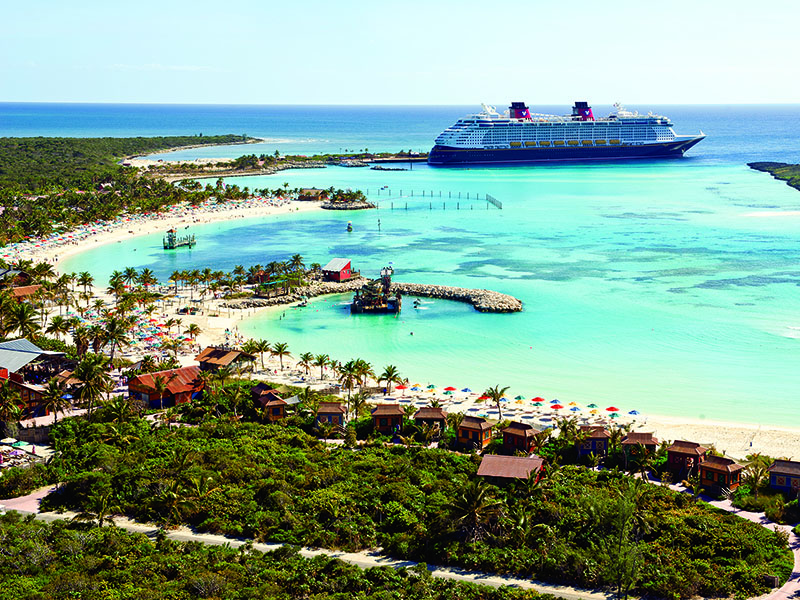
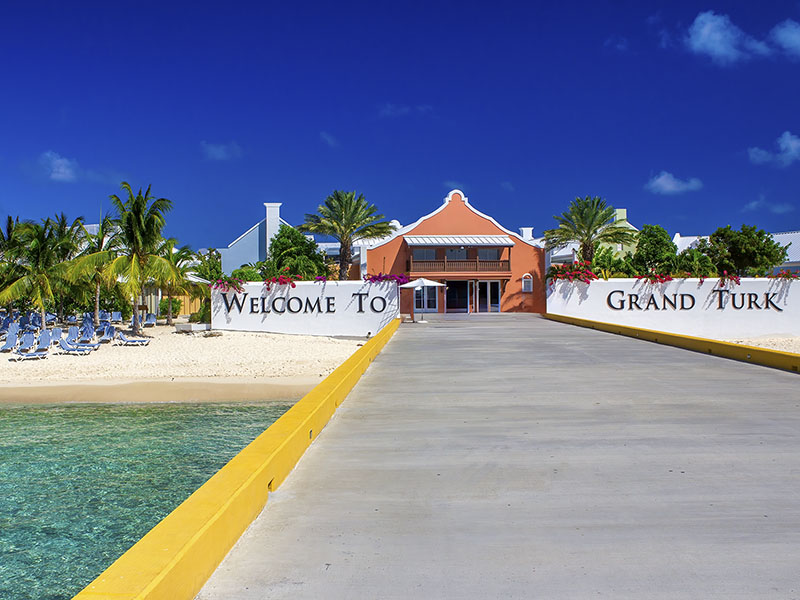
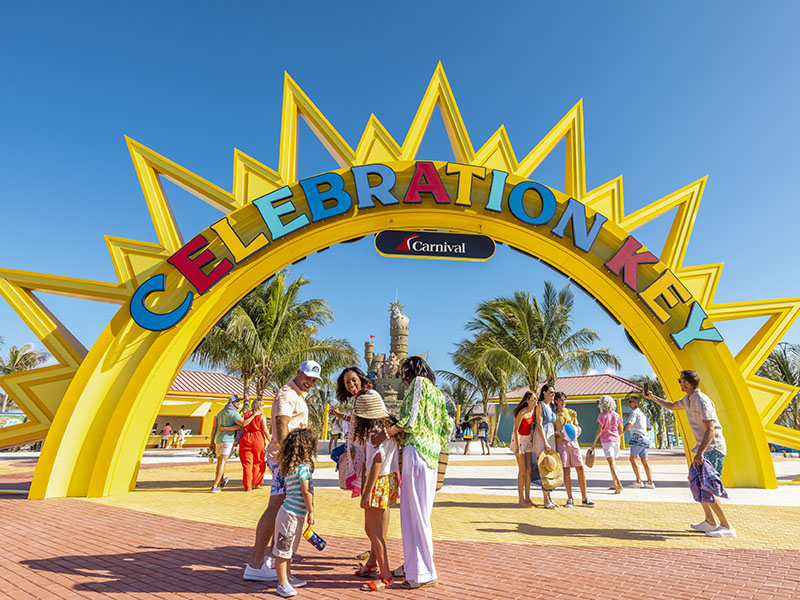
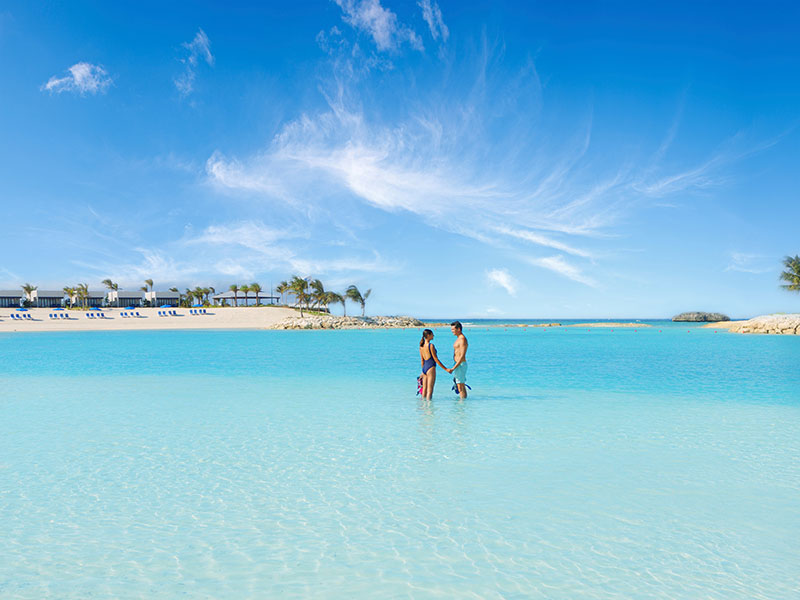
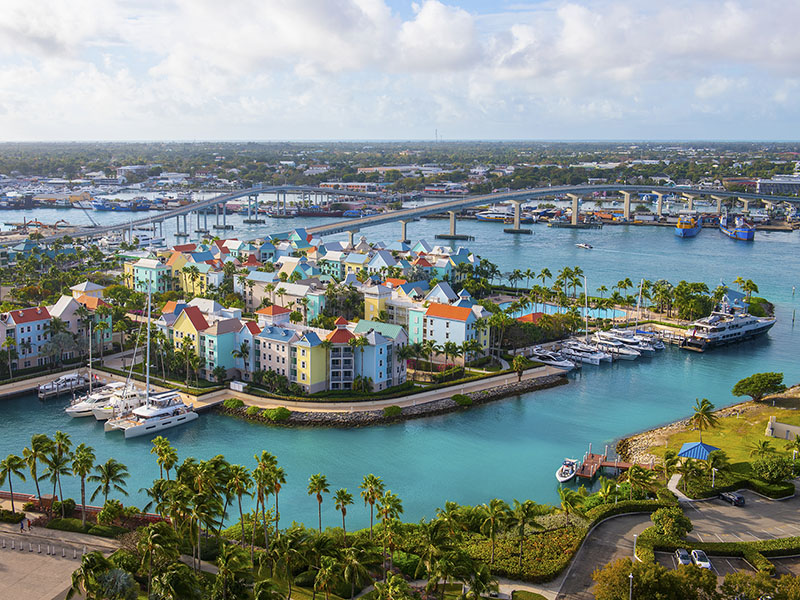
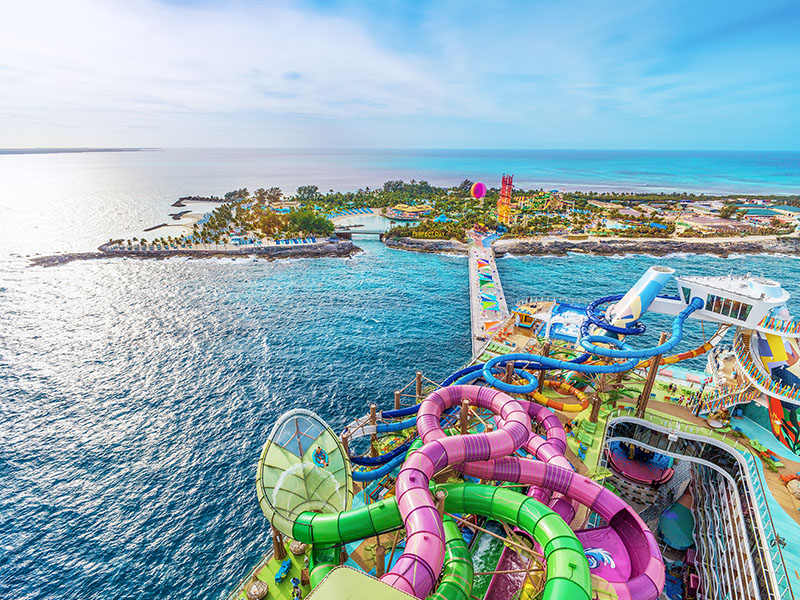
The Bahamian island chain—an archipelago of over 700 islands and cays stretching from just off the coast of Florida to near Cuba—is famous for its dazzling turquoise waters and some of the clearest visibility in the world, making it a premier destination for diving, snorkeling, and sport fishing. The islands are renowned for powdery white and pink sand beaches (like the famous pink sands of Harbour Island), striking “blue holes” and underwater cave systems, and a laid-back yet vibrant culture blending African, British colonial, and Caribbean influences, reflected in Junkanoo festivals, rake-and-scrape music, and a cuisine built around conch, seafood, and rum. Nassau and Paradise Island draw crowds for resorts, casinos, and cruise tourism, while the more remote Out Islands (like the Exumas, Andros, and the Abacos) offer a quieter escape known for swimming pigs, bonefishing, and untouched nature. Historically significant as an early stop for Christopher Columbus and later a haven for pirates and Prohibition-era rum runners, the Bahamas today are celebrated as a top luxury and eco-tourism destination, prized for their proximity to the U.S., stable climate, and reputation as one of the world’s most idyllic boating and yachting regions.
Bahamian Island Chain, Caribbean
Greater Antilles
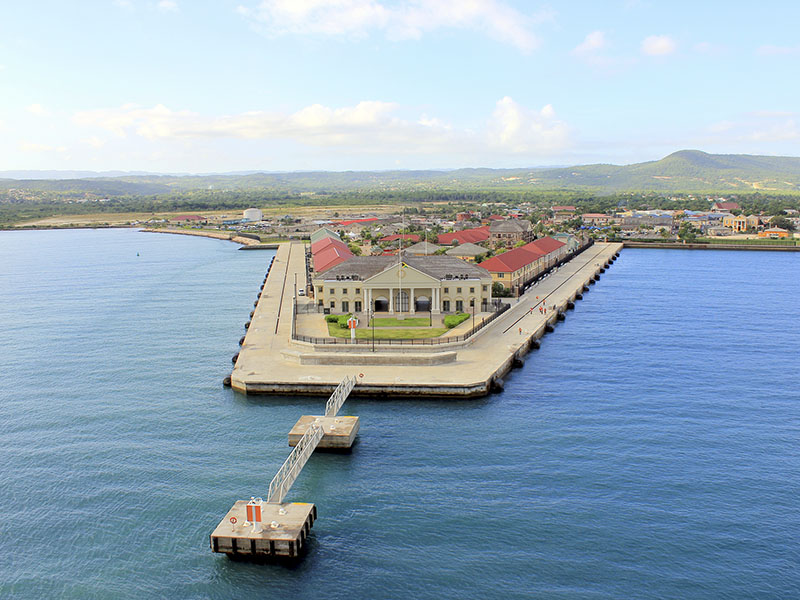
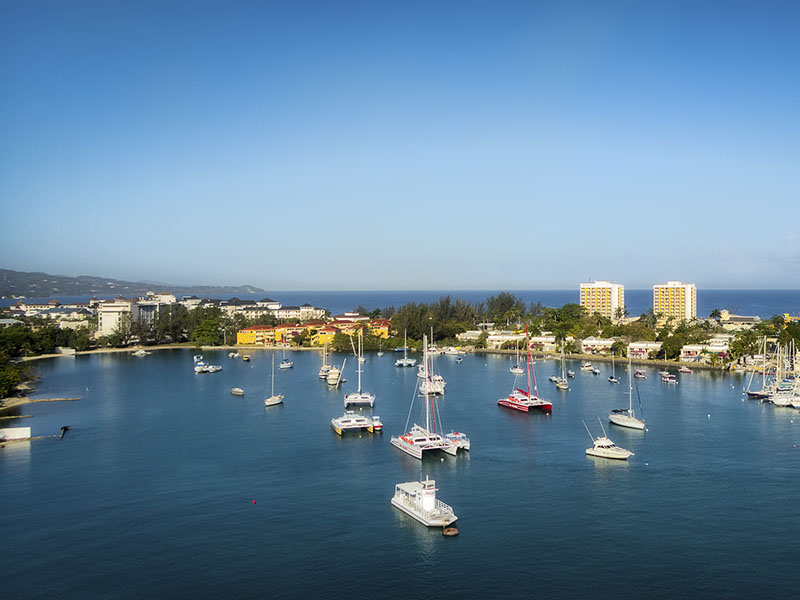
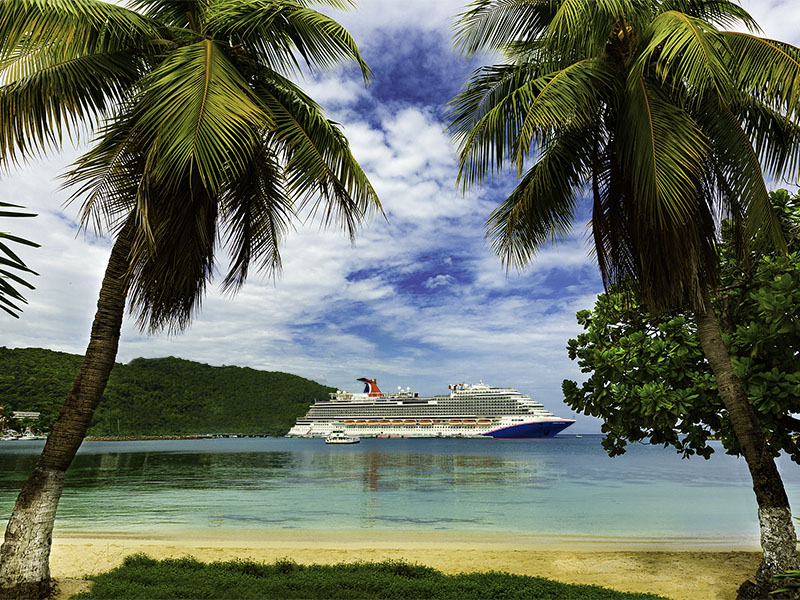
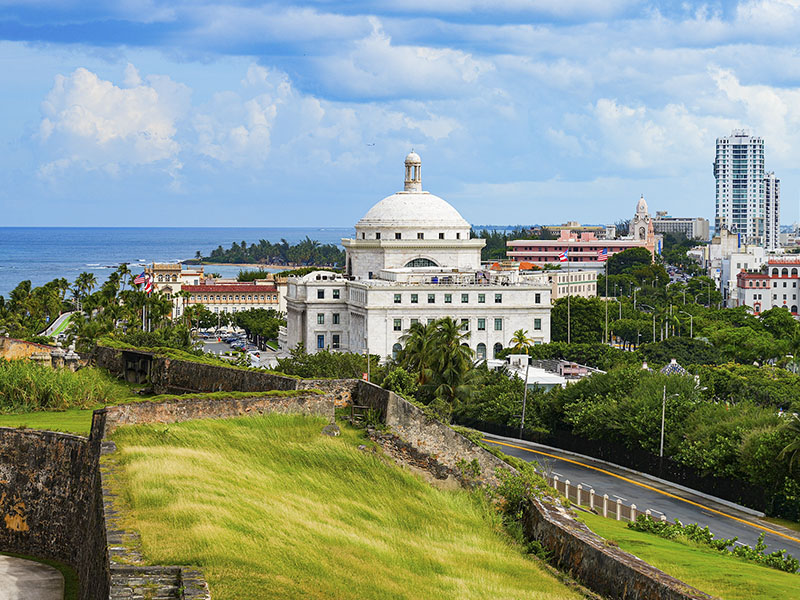
The Greater Antilles—comprising Cuba, Jamaica, Hispaniola (Haiti and the Dominican Republic), and Puerto Rico—are famous for being the largest and most populous islands in the Caribbean, with a rich and complex history shaped by Indigenous Taíno civilizations, Spanish colonization, and African heritage from the slave trade. They’re renowned for their diverse landscapes, from Cuba’s rolling tobacco fields and colonial architecture in Havana to the Blue Mountains of Jamaica and the dramatic peaks of the Dominican Republic’s Cordillera Central. The region has produced globally influential music and culture, including reggae and Rastafarianism from Jamaica, son and salsa from Cuba, and merengue and bachata from the Dominican Republic. It’s also celebrated for its culinary traditions, world-class cigars and rum, historic sites like Old San Juan and Santo Domingo (the oldest European city in the Americas), and a mix of pristine beaches and vibrant cities that make it a major hub for tourism, history, and cultural heritage in the Western Hemisphere.
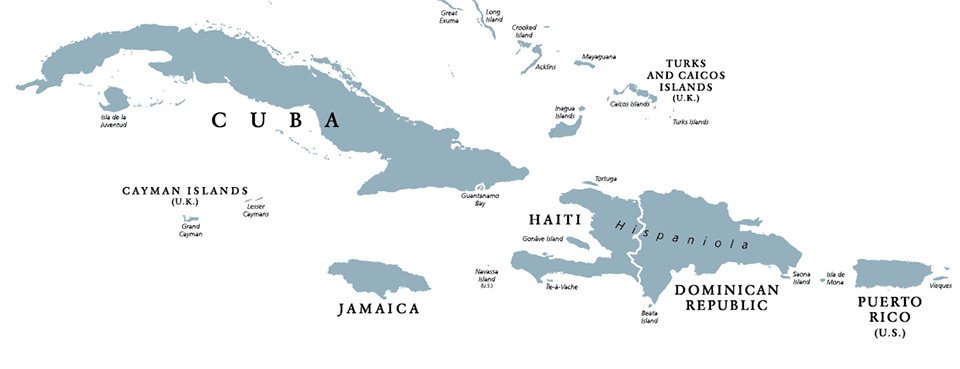
Greater Antilles, Caribbean
Lesser Antilles
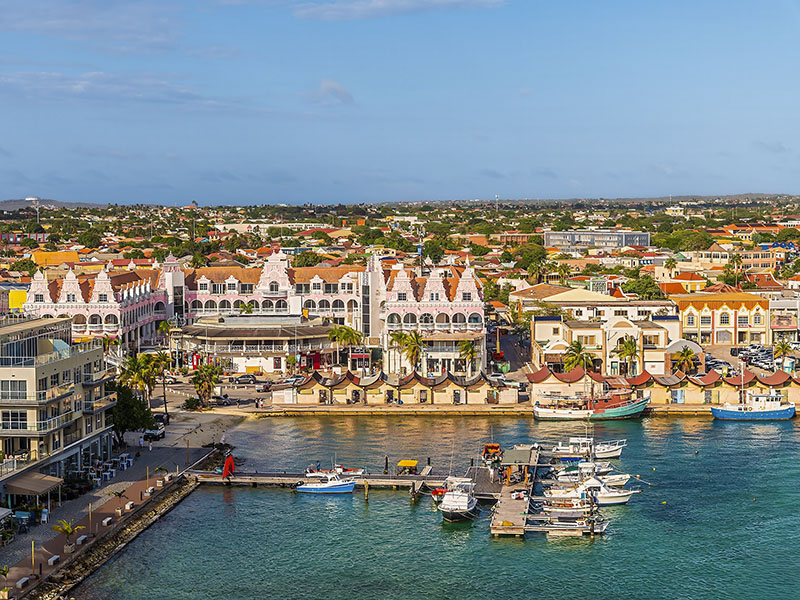
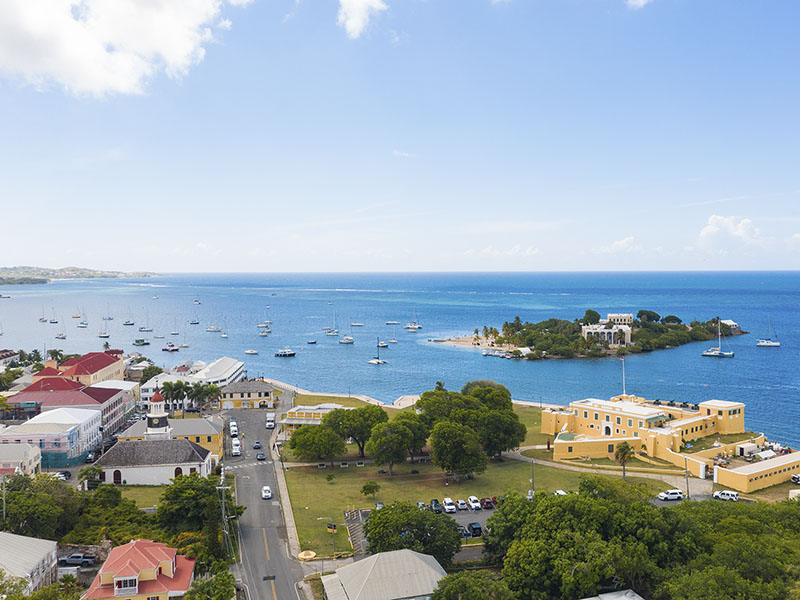
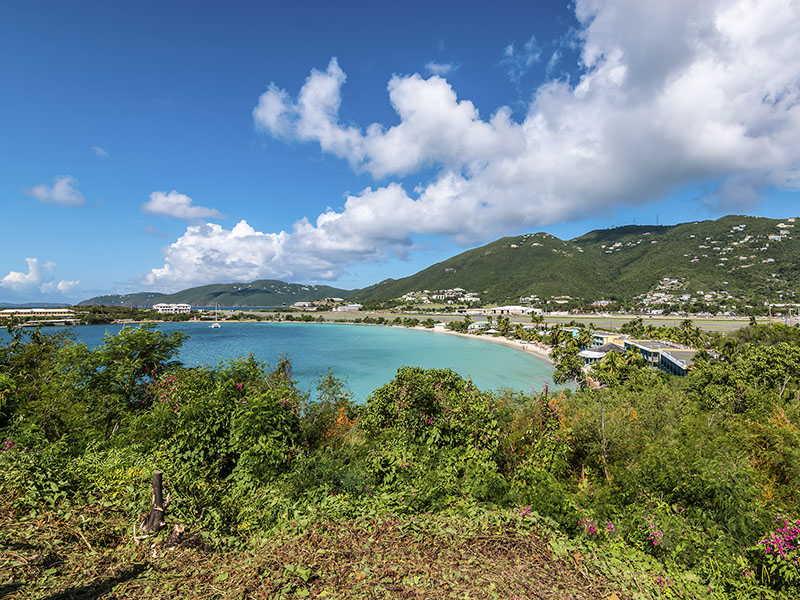
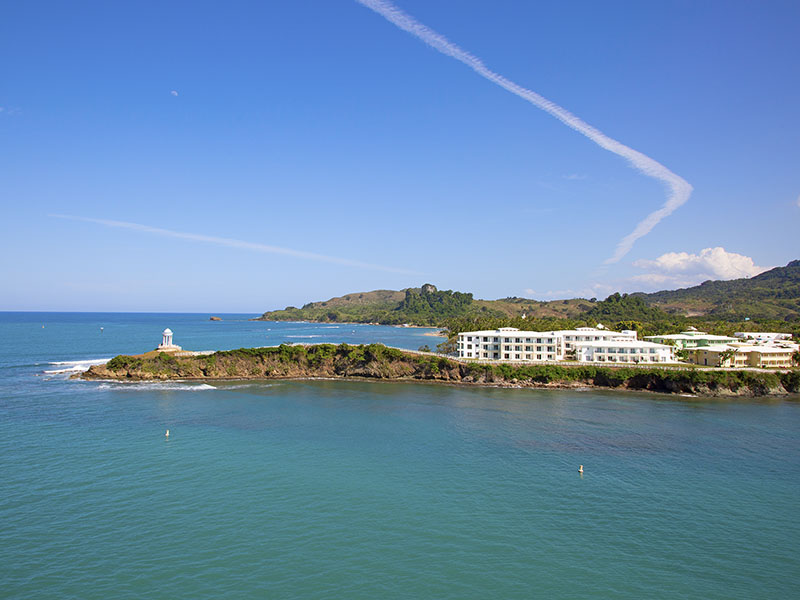
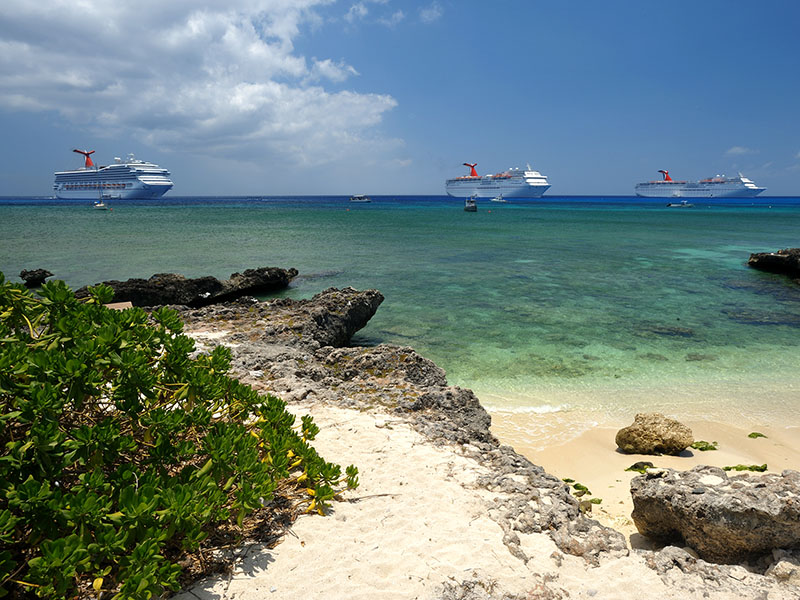
Lesser Antilles
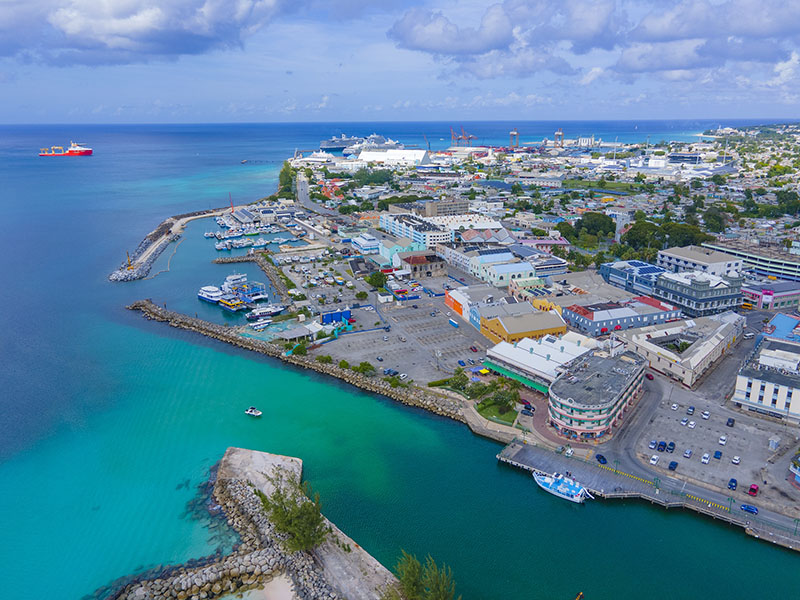
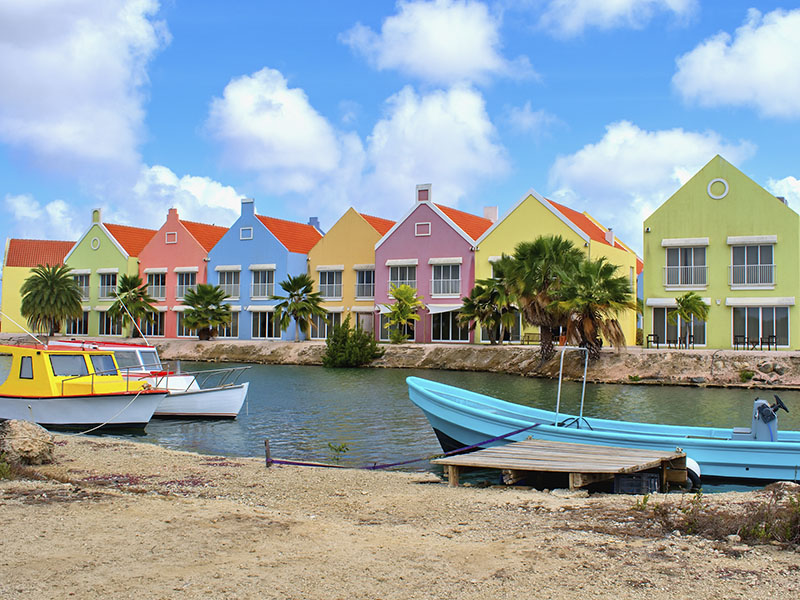
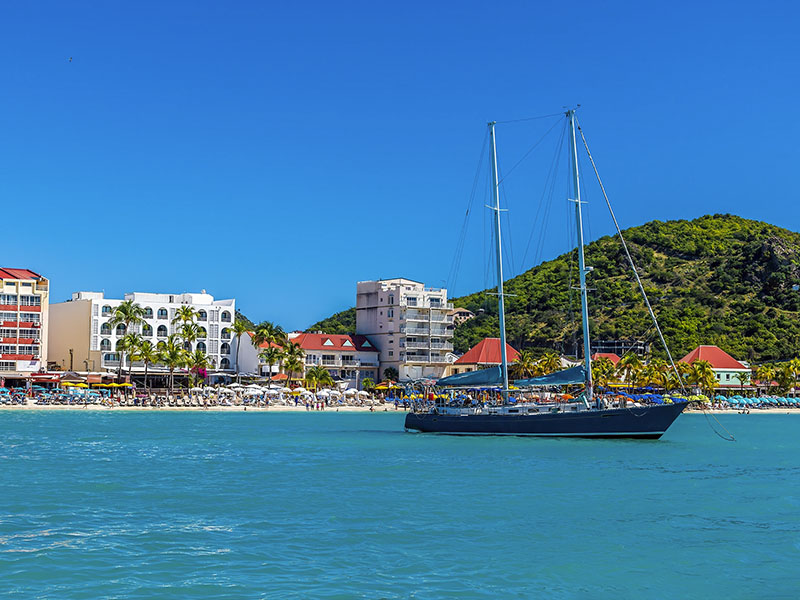
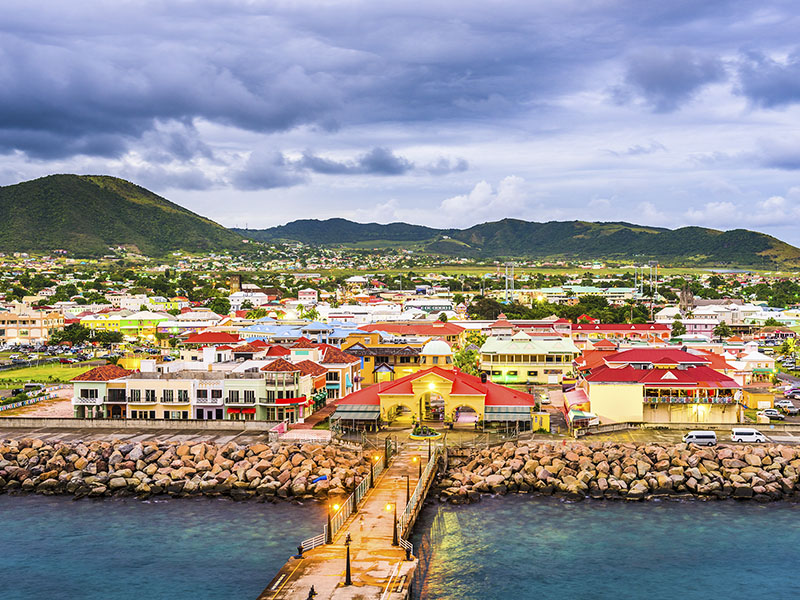
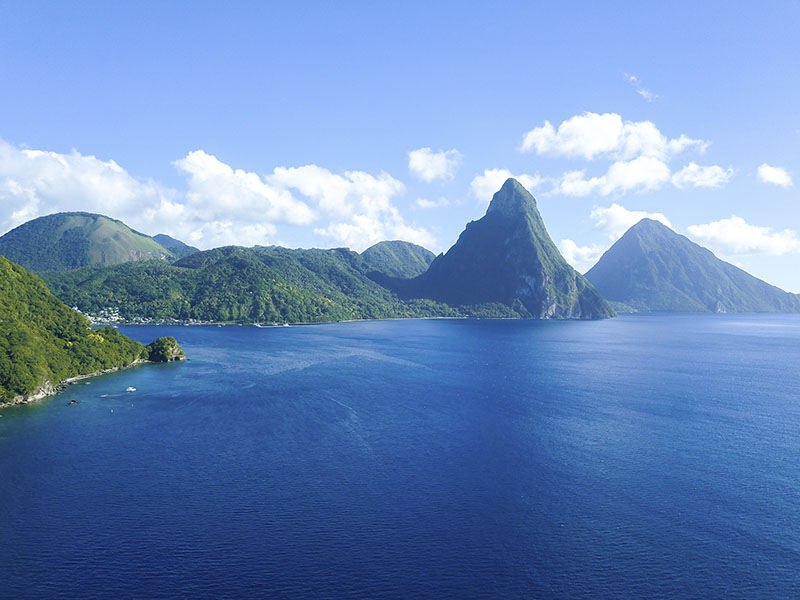
The Lesser Antilles are a chain of small islands in the eastern Caribbean, famous for their stunning volcanic and coral landscapes, including active volcanoes like Soufrière on St. Vincent and the Pitons of St. Lucia. They’re renowned for pristine white and black sand beaches, vibrant coral reefs perfect for diving and snorkeling, and a rich blend of cultures shaped by Indigenous Kalinago and Taíno peoples, European colonial powers (British, French, Dutch, and Spanish), and African heritage brought through the transatlantic slave trade—reflected today in distinctive Creole languages, cuisines, and music genres like calypso, soca, and reggae. The region is also known for its rum production (particularly in islands like Barbados and Martinique), colorful Carnival celebrations, lush rainforests, and a laid-back island culture that draws tourists seeking both relaxation and adventure, from sailing in the Grenadines to hiking volcanic peaks.
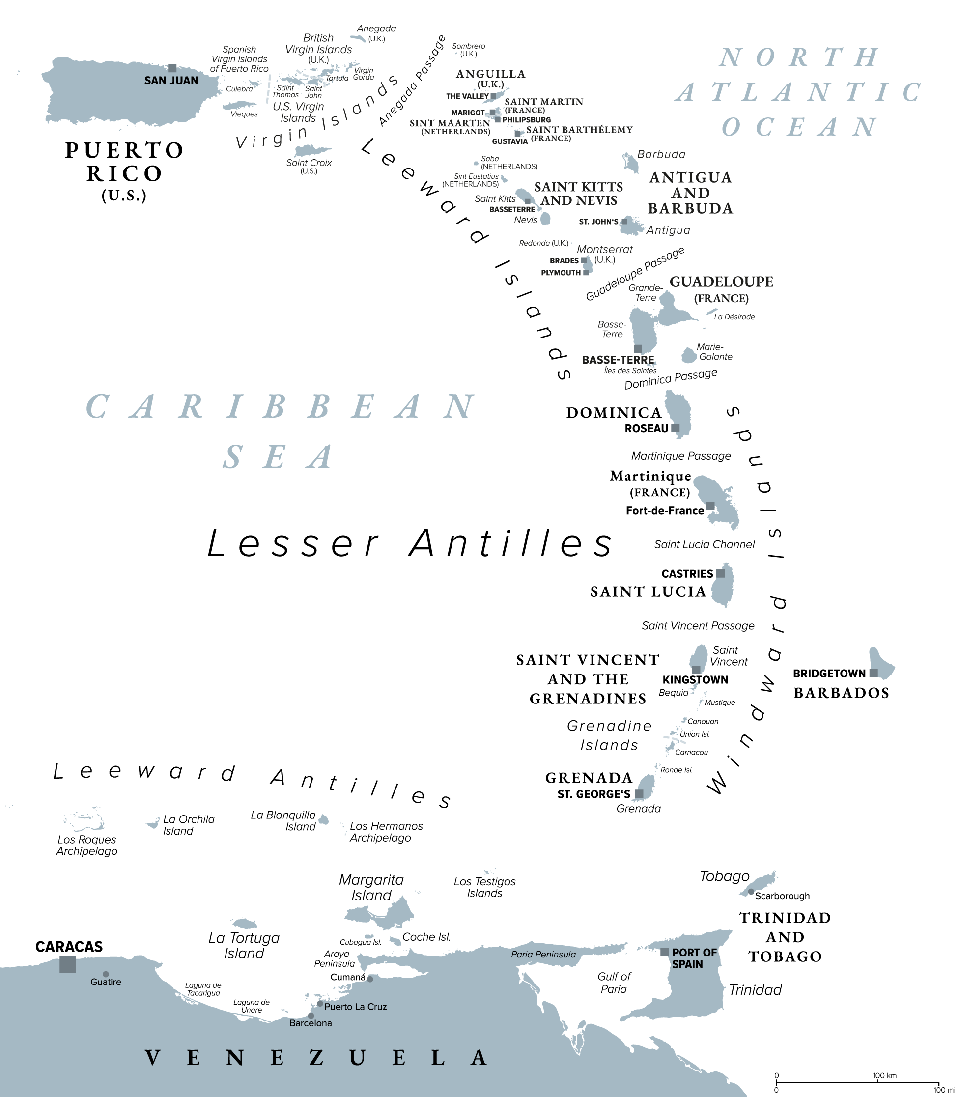
Lesser Antilles, Caribbean